LPG cylinder shortage triggers crisis in India’s MSME sector, with experts warning nearly 20 lakh jobs at risk due to gas supply disruptions.
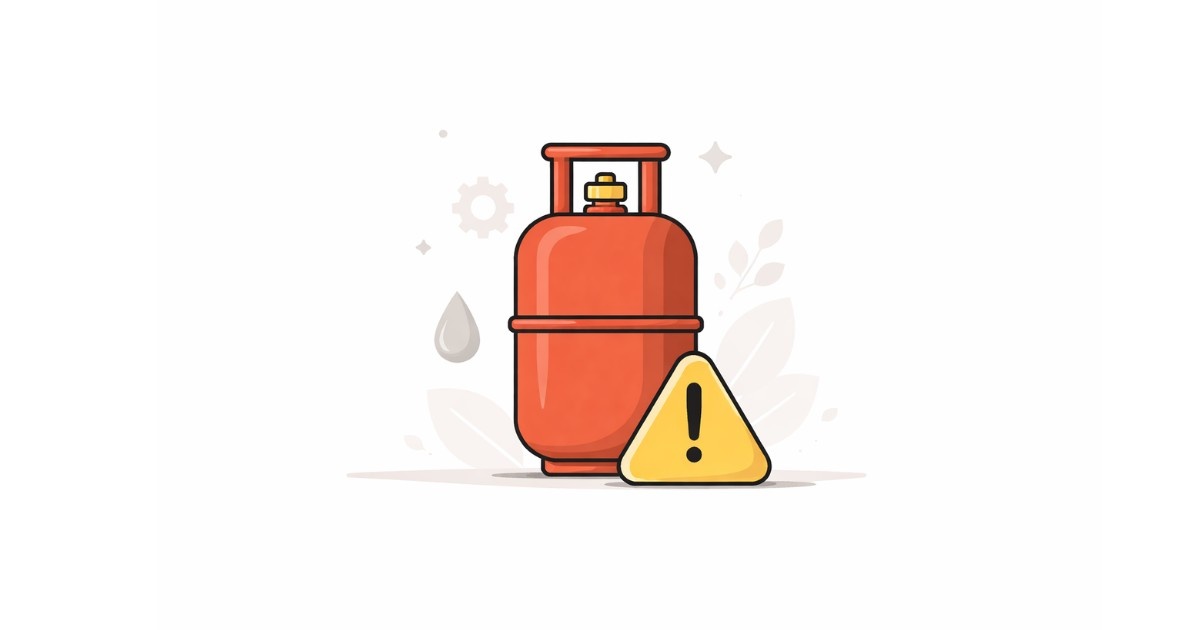
India is facing a growing LPG cylinder shortage, with industry experts warning of significant economic consequences as disruptions in gas supply begin to impact the country’s manufacturing sector. The crisis, linked to ongoing geopolitical tensions in West Asia, is affecting millions of workers employed in micro, small, and medium enterprises (MSMEs), particularly those dependent on industrial gas for production.
According to industry estimates, nearly 20 lakh jobs could be at risk if the supply situation does not improve soon. Manufacturing units across key industrial clusters are already reporting reduced operations, temporary shutdowns, and layoffs as they struggle to cope with the shortage of LPG and LNG.
LPG Cylinder Shortage Hits Manufacturing Sector
The ongoing LPG cylinder shortage has emerged as a major concern for India’s core manufacturing industries. MSMEs, which form the backbone of the country’s industrial output, are among the worst affected.
India has approximately 18 lakh MSMEs operating in the manufacturing sector, employing around 1.8 crore workers. Many of these units rely heavily on LPG and LNG for heat-intensive processes such as metal fabrication, ceramics, food processing, and chemicals.
With supply disruptions intensifying, several units are finding it difficult to maintain regular production schedules. Industry representatives say that the shortage has forced many factories to either scale down operations or halt production entirely.
Global Conflict Disrupts Energy Supply Chains
The LPG cylinder shortage is being attributed to the ongoing geopolitical conflict involving major global powers in West Asia. The prolonged tensions have disrupted energy supply routes, affecting the availability of key fuels such as LPG and LNG.
Shipping routes and energy logistics have been impacted, leading to delays and reduced imports. India, which depends significantly on imported energy resources, is particularly vulnerable to such disruptions.
Experts say that uncertainty in global energy markets has led to supply constraints and price volatility, making it difficult for industries to secure consistent fuel supplies.
MSMEs Face Shutdown Risks
The impact of the LPG cylinder shortage is especially severe for MSMEs, which often operate with limited financial buffers.
Units that rely on continuous heat processes cannot function without a steady supply of gas. As a result, many businesses are nearing shutdown due to the inability to sustain operations.
Industry associations have warned that prolonged disruptions could lead to permanent closures of thousands of MSME units. Smaller enterprises, in particular, are struggling to absorb rising costs and supply uncertainties.
Job Loss Concerns Mount
One of the most serious consequences of the LPG cylinder shortage is the potential loss of employment.
Experts estimate that nearly 20 lakh jobs are at risk if the situation continues. Workers in manufacturing hubs are already facing reduced work hours, wage cuts, and layoffs.
Labour-intensive sectors are particularly vulnerable, as companies attempt to cut costs by reducing their workforce.
The ripple effect of job losses could extend beyond the manufacturing sector, impacting local economies and consumption patterns.
Production Cuts Across Industrial Clusters
The LPG cylinder shortage has led to production cuts in several industrial clusters across the country.
Regions known for manufacturing activities, including ceramics, textiles, and metal industries, are witnessing significant slowdowns.
Factories are operating below capacity, and some have temporarily suspended operations. Industry stakeholders say that even short-term disruptions can have long-term consequences for supply chains and business sustainability.
Rising Costs Add to Pressure
In addition to supply constraints, the LPG cylinder shortage has also led to increased fuel costs.
Higher prices are further straining MSMEs, which already operate on thin margins. The cost of production has risen significantly, reducing profitability and competitiveness.
Some companies are passing on the increased costs to consumers, while others are absorbing the losses to remain operational.
Government Monitoring Situation
Authorities are closely monitoring the LPG cylinder shortage and its impact on the economy.
While no immediate large-scale intervention has been announced, officials are assessing the situation and exploring options to stabilize supply.
Industry bodies have urged the government to take proactive measures, including ensuring priority allocation of gas to critical sectors and facilitating imports.
Supply Chain Disruptions Continue
The LPG cylinder shortage highlights the vulnerability of global supply chains to geopolitical conflicts.
Disruptions in shipping routes and energy infrastructure have created bottlenecks, affecting multiple countries.
India’s reliance on imported fuels makes it susceptible to such global developments, emphasizing the need for diversified energy sources.
Experts Warn of Long-Term Impact
Experts believe that the LPG cylinder shortage could have long-term implications if not addressed promptly.
Prolonged disruptions may lead to structural changes in the manufacturing sector, including shifts in production strategies and supply chain adjustments.
Businesses may also explore alternative energy sources to reduce dependence on LPG and LNG.
Calls for Policy Support
Industry stakeholders are calling for policy support to mitigate the impact of the LPG cylinder shortage.
Suggestions include financial assistance for MSMEs, subsidies on fuel costs, and measures to ensure uninterrupted supply.
Experts also recommend strengthening domestic energy infrastructure to reduce reliance on imports.
Impact on Economic Growth
The LPG cylinder shortage could affect overall economic growth if manufacturing output continues to decline.
MSMEs contribute significantly to India’s GDP and employment. Disruptions in this sector can have widespread economic consequences.
Reduced production, job losses, and lower consumer spending could slow down economic recovery.
Alternative Energy Solutions
The crisis has renewed focus on alternative energy solutions to address the LPG cylinder shortage.
Industries are exploring options such as electric heating, renewable energy, and other fuel substitutes.
While these solutions may not provide immediate relief, they could help reduce vulnerability to future disruptions.
Uncertainty Over Conflict Duration
The duration of the global conflict remains uncertain, adding to concerns about the LPG cylinder shortage.
Experts warn that if tensions continue, supply disruptions may persist, worsening the situation for industries.
Businesses are closely monitoring developments and preparing contingency plans to manage risks.
Conclusion
The ongoing LPG cylinder shortage has emerged as a critical challenge for India’s manufacturing sector, with nearly 20 lakh MSME jobs at risk.
As global conflicts disrupt energy supply chains, industries are facing production cuts, rising costs, and operational uncertainties.
Experts emphasize the need for timely intervention and long-term strategies to ensure energy security and protect employment.
The situation remains fluid, and its impact will depend on how quickly supply conditions stabilize and policy measures are implemented.
Edited By: Akshaya Polepalli
Also Read: BookMyShow Trends BIG as Dhurandhar 2 Breaks Box Office, IPL 2026 Ticket Rush Begins